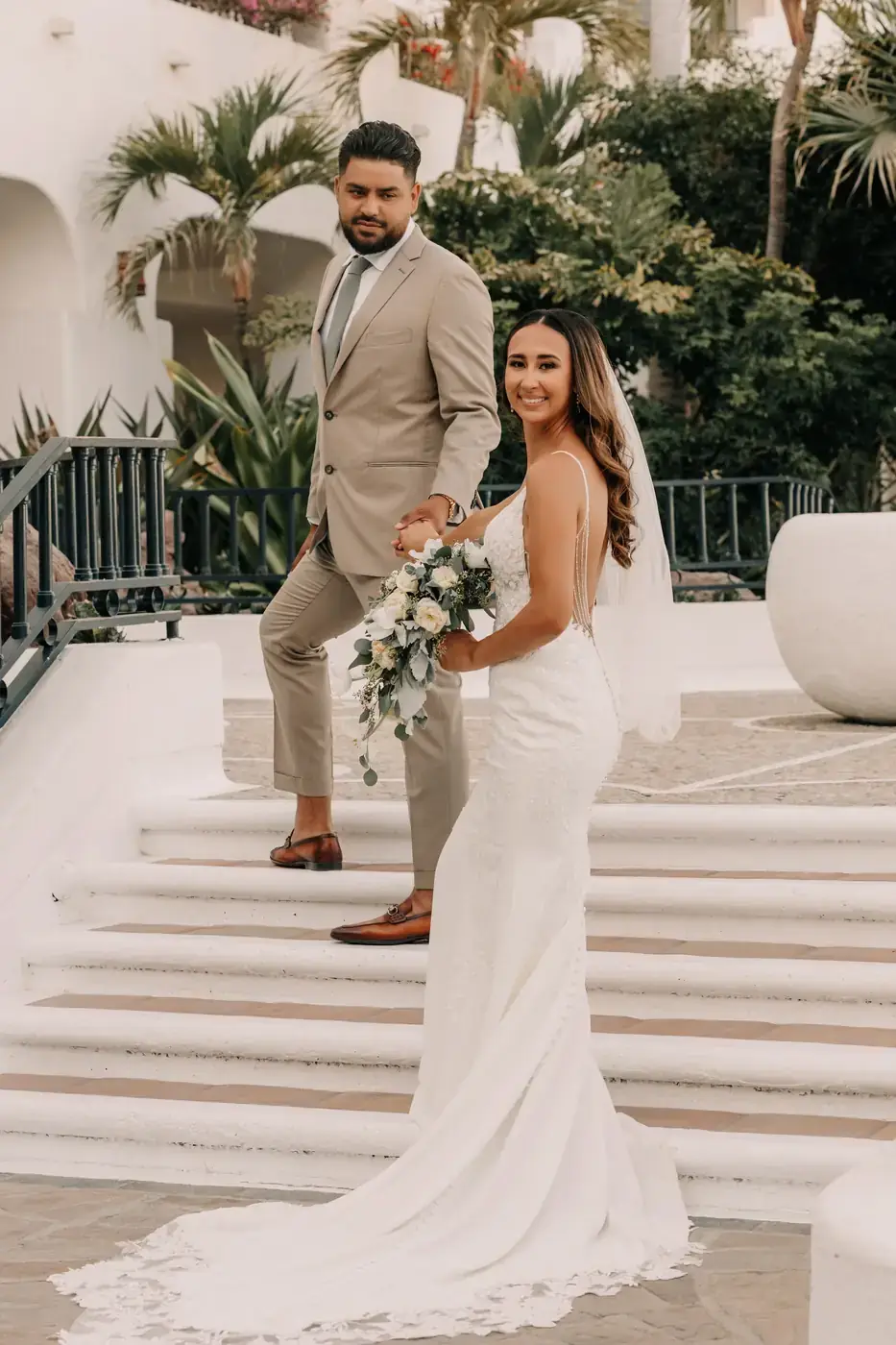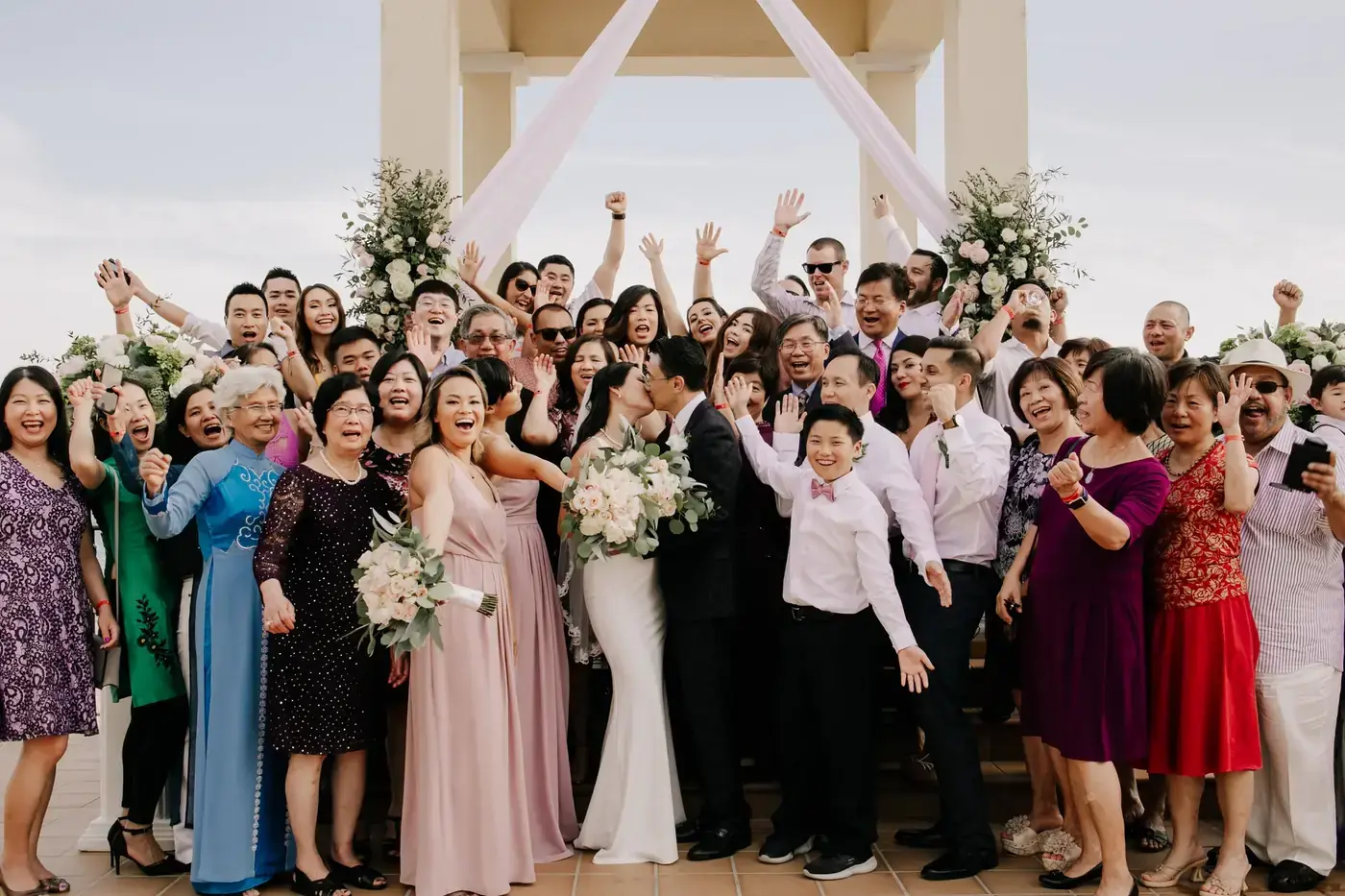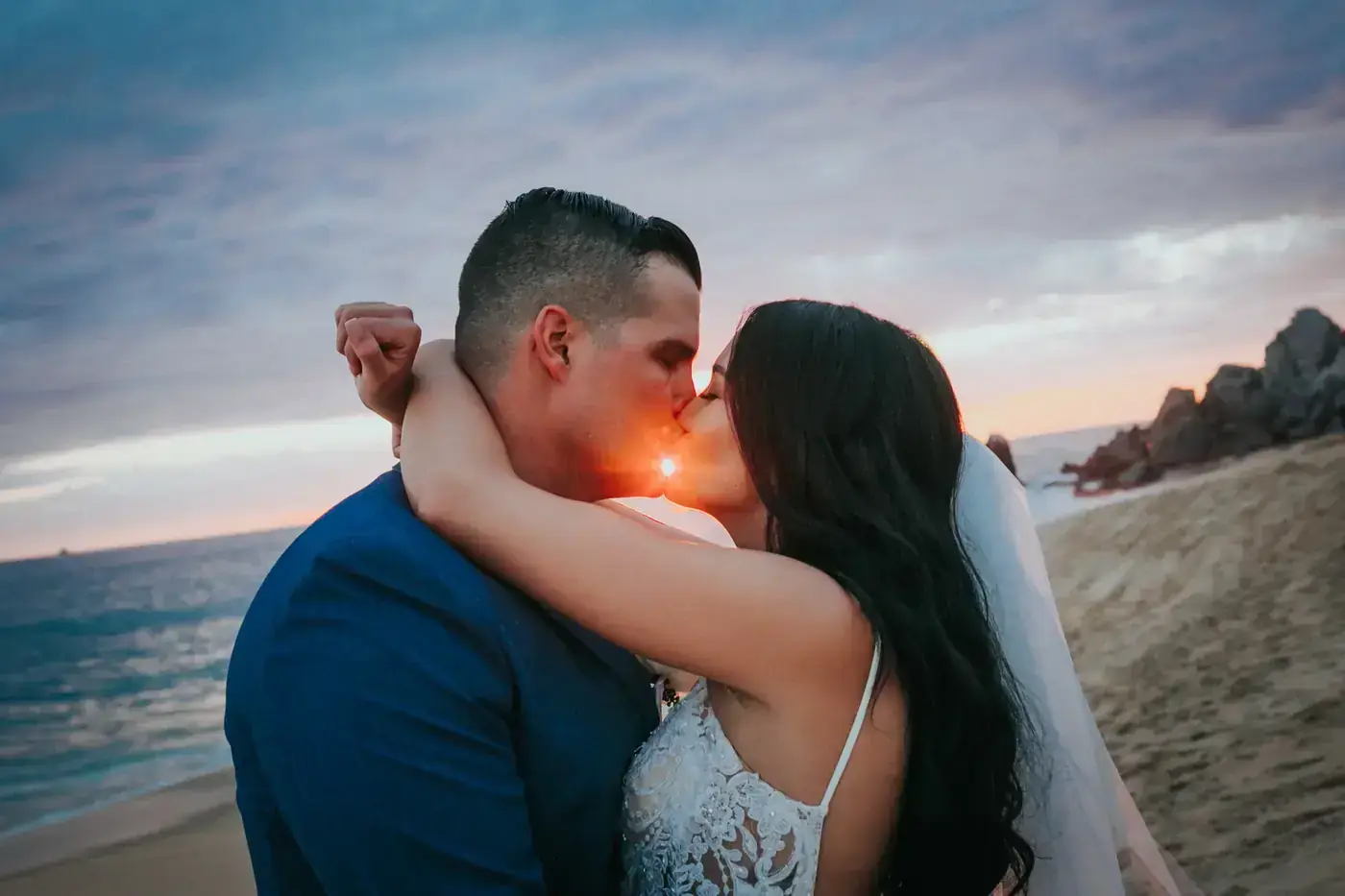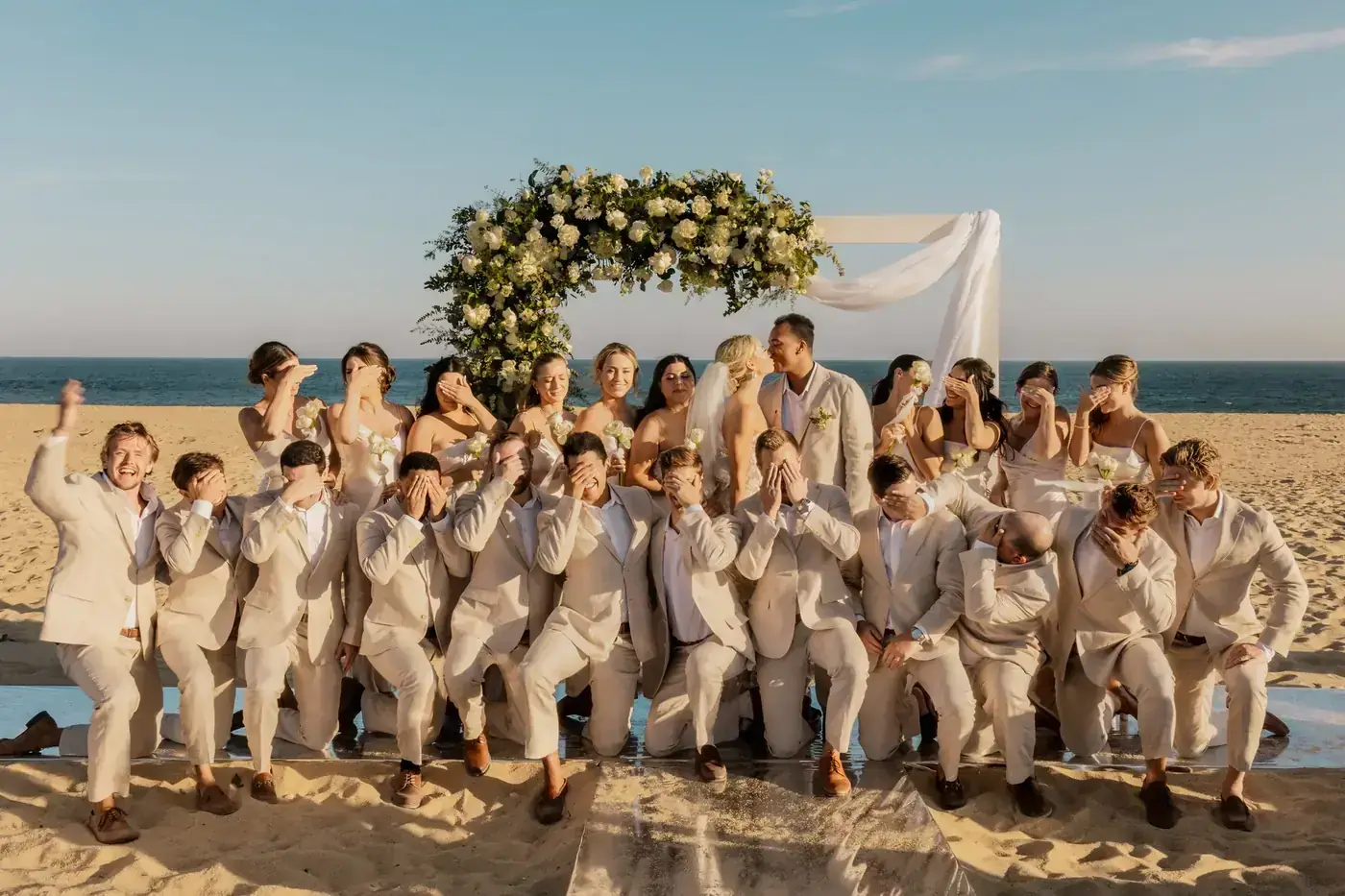
A bilingual wedding in Cabo is really two weddings happening at once: the ceremony your English-speaking guests experience, and the ceremony your Spanish-speaking family experiences. When it works, both feel complete. When it does not, half the room spends the day waiting for translations. I photograph bilingual weddings here every season, and I plan them in both languages, so this guide is the honest checklist I would give a couple planning from the United States or Canada with family on both sides of the border.
Start with the ceremony format
There are three ways bilingual couples in Cabo handle the ceremony, and each has a different feel. Full translation, where every phrase is repeated, keeps everyone equal but doubles the ceremony length. Alternating languages, where the officiant moves naturally between English and Spanish paragraph by paragraph, keeps the pace and still includes both families. The third option, a mostly English ceremony with Spanish woven into the key moments, works when one side of the family is much smaller or bilingual already.
Whichever you choose, decide it early, because the officiant needs to rehearse it, the readings need to match, and your photographer should know where the emotional beats will land.
| Format | How it works | Best when |
| Full translation | Every phrase is repeated in both languages | Both sides are equally large and mostly monolingual |
| Alternating languages | The officiant moves naturally between English and Spanish | Most bilingual weddings; keeps pace and includes everyone |
| English with Spanish moments | Spanish woven into vows, readings and key lines | One side is smaller or already bilingual |
A tip that costs nothing: print the ceremony program in two columns, English on one side and Spanish on the other, with the order of events, the readings and the wedding party names in both. Guests follow every moment without a single spoken translation.
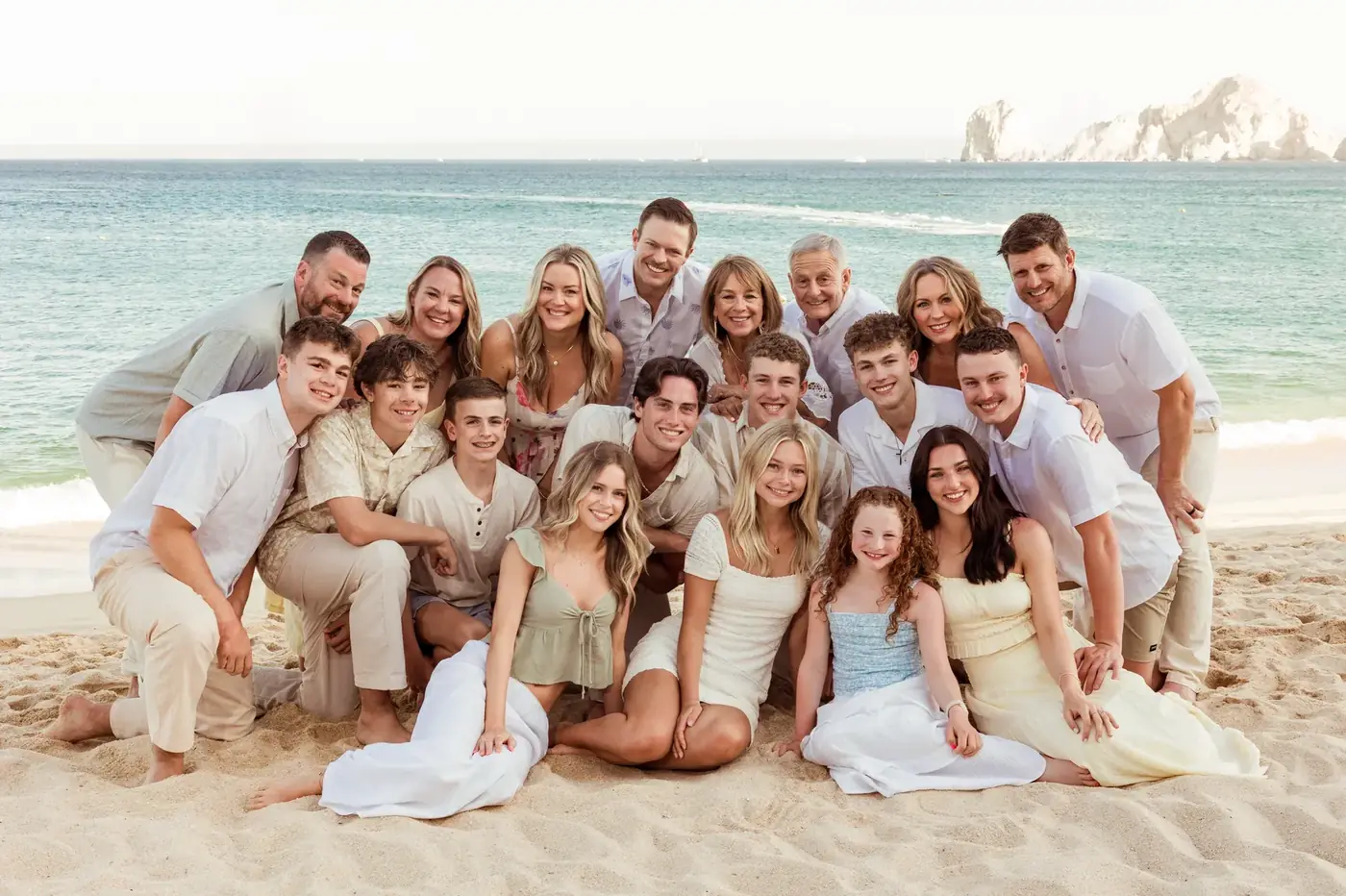
Vows and readings, in both voices
The most moving solution I see couples use: write your vows in the language you dream in, and have a sibling or cousin read the other language first. The words are the same promise, delivered twice, and both grandmothers cry for the right reasons. For readings, choose one that exists in both languages rather than translating a poem word by word, since translated verse almost always loses its rhythm.
One practical note that saves the ceremony: print the vows in large type. Spanish and English sentences get longer when you are nervous, and reading from a phone mid-ceremony undoes the moment.
Speeches, toasts and the rhythm of the night
The reception is where bilingual weddings usually lose the room. The fix is simple: alternate languages speaker by speaker instead of grouping them, and keep every toast under three minutes. A three-minute toast in Spanish, answered by a three-minute toast in English, keeps energy moving. Four Spanish toasts back to back, with the other half of the room smiling politely through dinner, does not.
Menus, welcome signs and seating charts are worth doing twice too. It takes one afternoon and it tells both families they were expected.
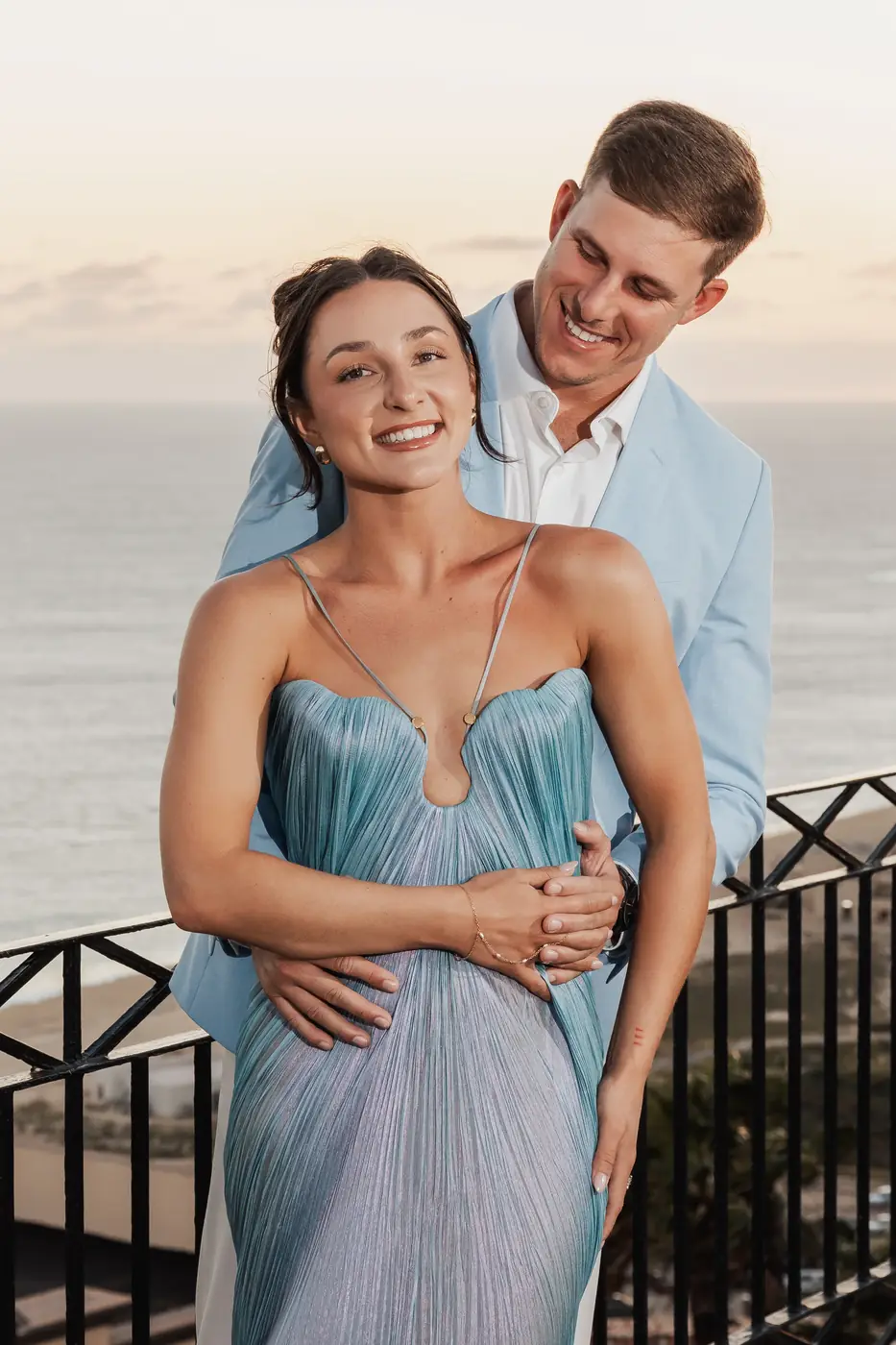
What bilingual weddings look like through a camera
They look busier, in the best way. There is the mother translating for an aunt, the nephew circulating between both tables, the friend who learned a phrase in Spanish for the toast. These are the photographs that make bilingual couples cry later, because they capture the day actually felt like, not just how it looked.
As a bilingual photographer I direct group photos in whichever language each family is comfortable with, which is how we get the formal shots done in fifteen minutes instead of forty. On the wedding day, small things move fast, and not needing a translator for every instruction is worth a lot.
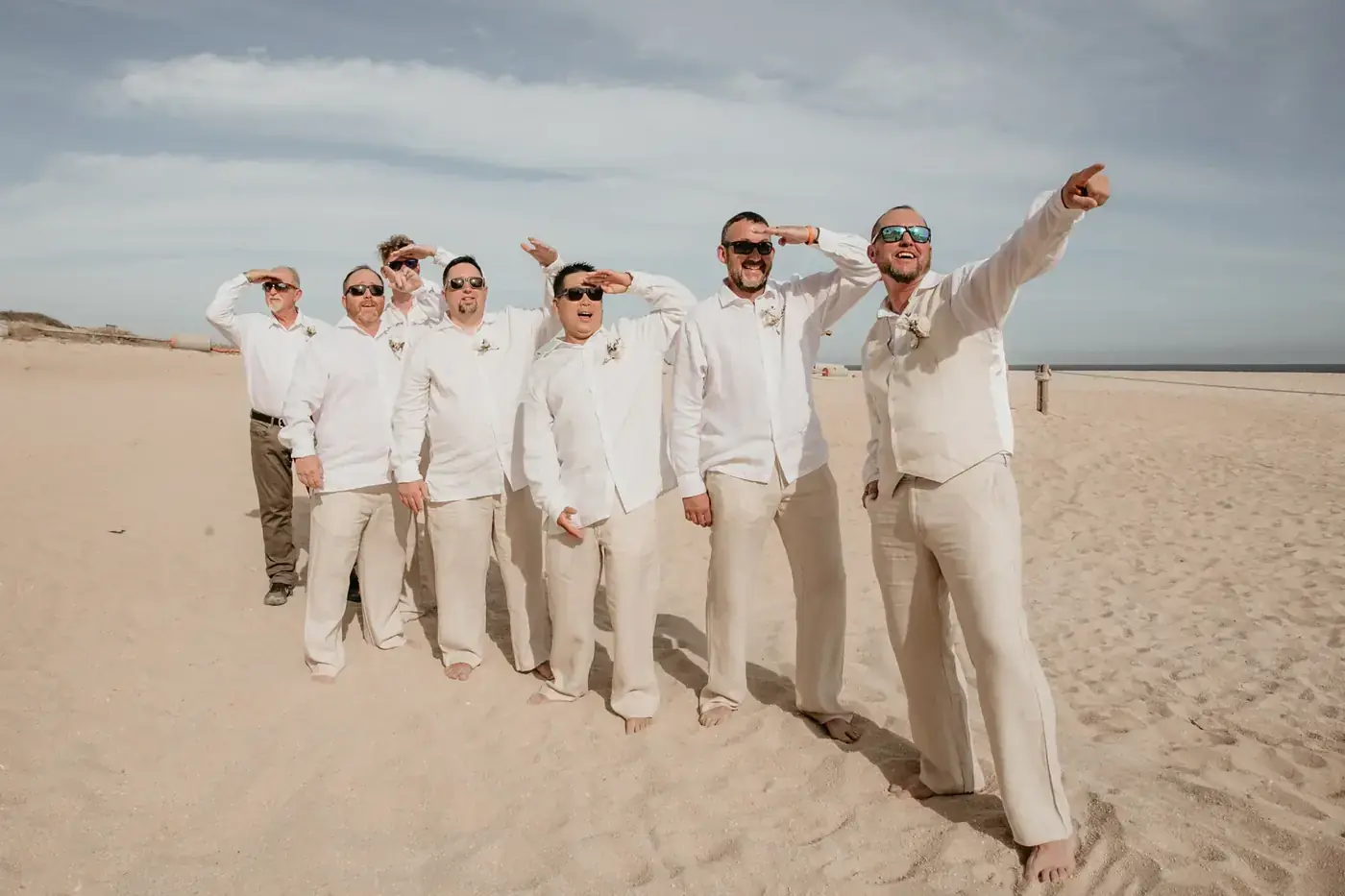
Working with local vendors across two languages
In Los Cabos most venues and wedding professionals work in English, and many crews are fully bilingual, so this part tends to be easier than couples expect. The gap appears in the small moments: the venue captain confirming dinner service, the band reading the room, the hair stylist understanding a reference photo. If your planner is bilingual, that covers almost everything. If anyone on your team is not, it is worth planning one rehearsal where instructions are repeated in both languages rather than discovering the gap on the day.
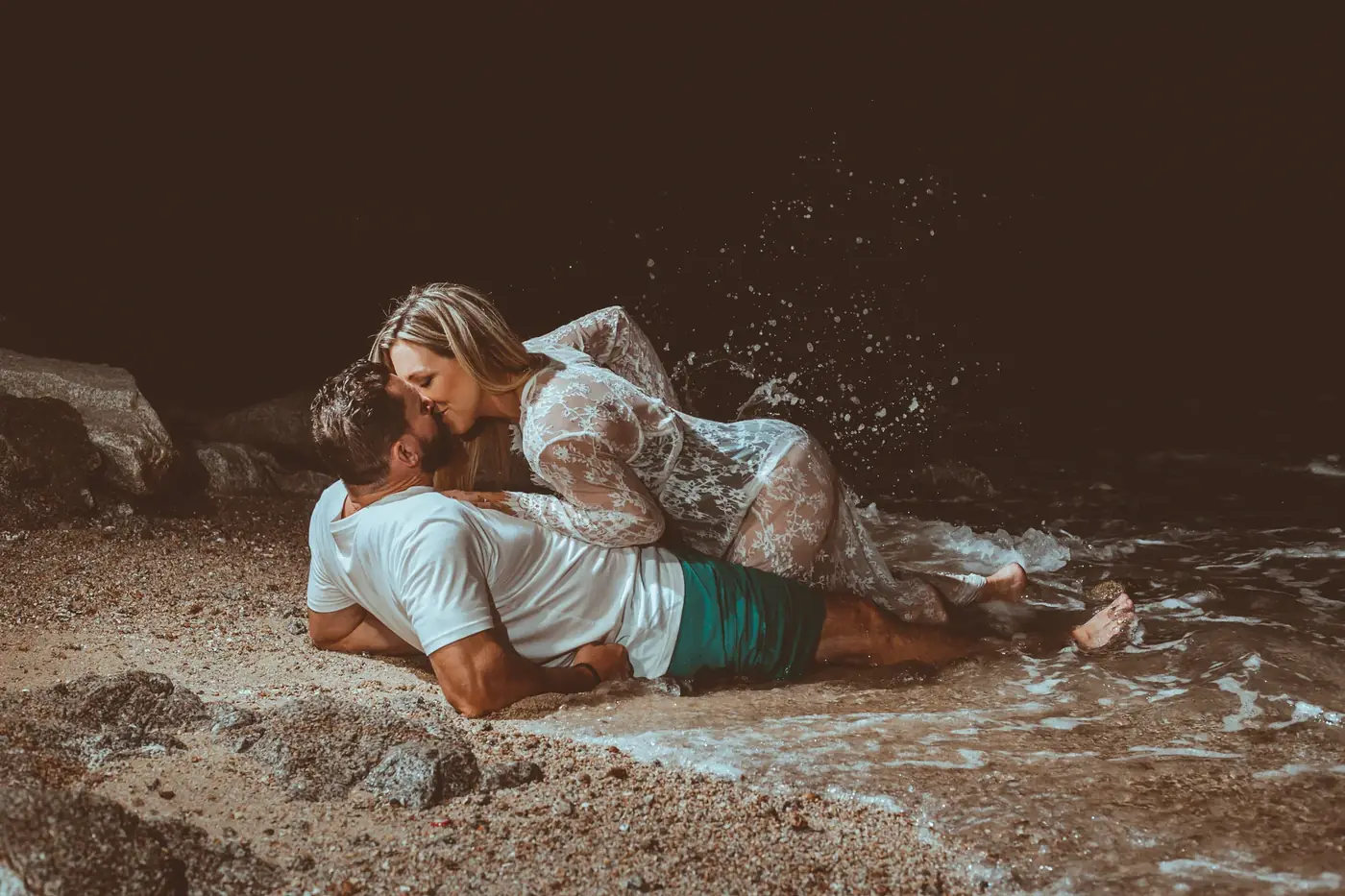
A bilingual wedding in Los Cabos
I photograph bilingual weddings across Los Cabos every month, and I plan them in both languages: the ceremony pacing, the family portraits, the toasts. You can see how a full day flows on my destination weddings in Cabo San Lucas page, sort out the paperwork question in my guide to the requirements to get married in Cabo, and read how I work with couples planning from abroad in my guide for English-speaking couples getting married in Cabo. For trip planning around the region, the official Los Cabos tourism board is a good place to start.