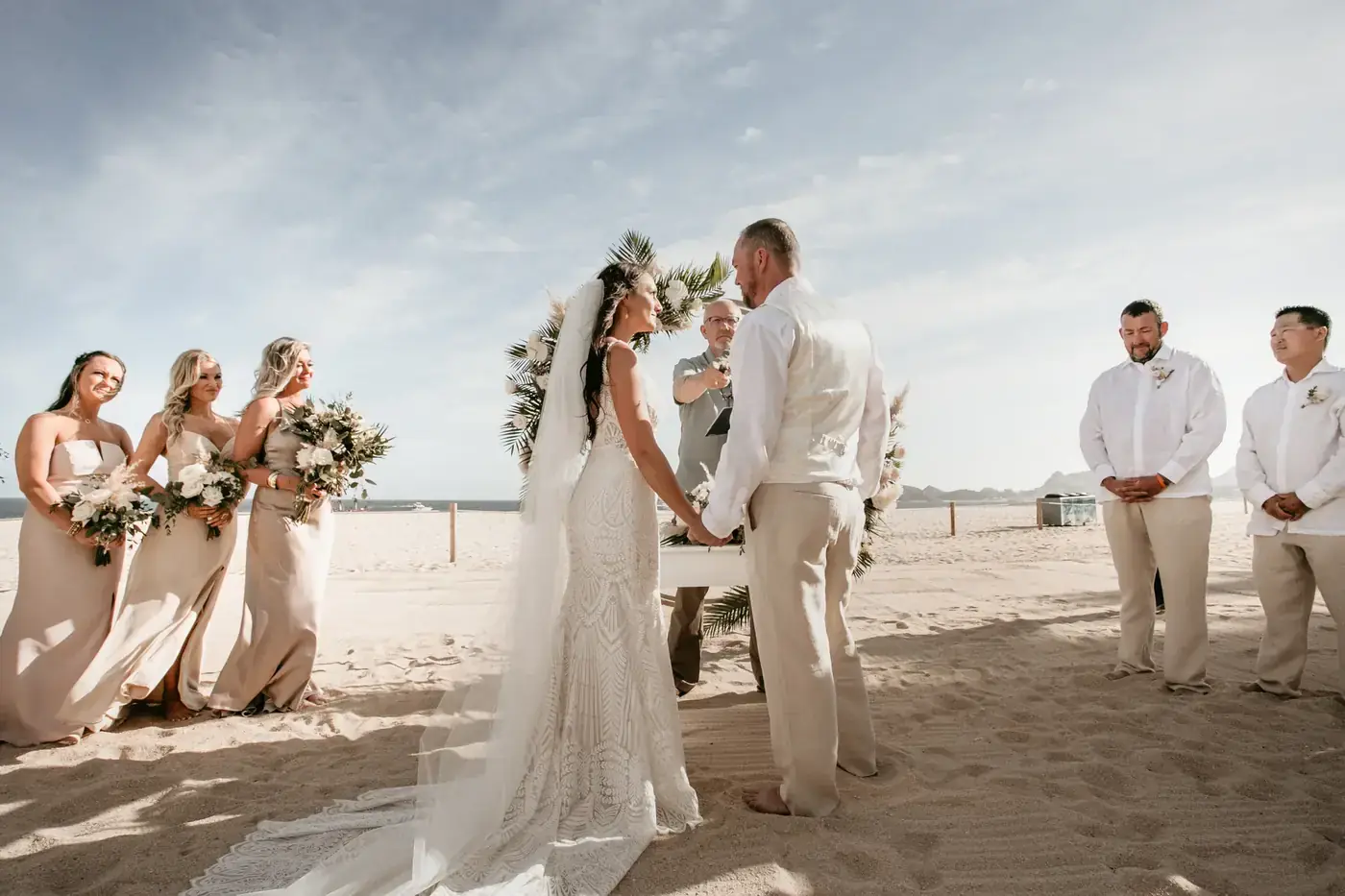
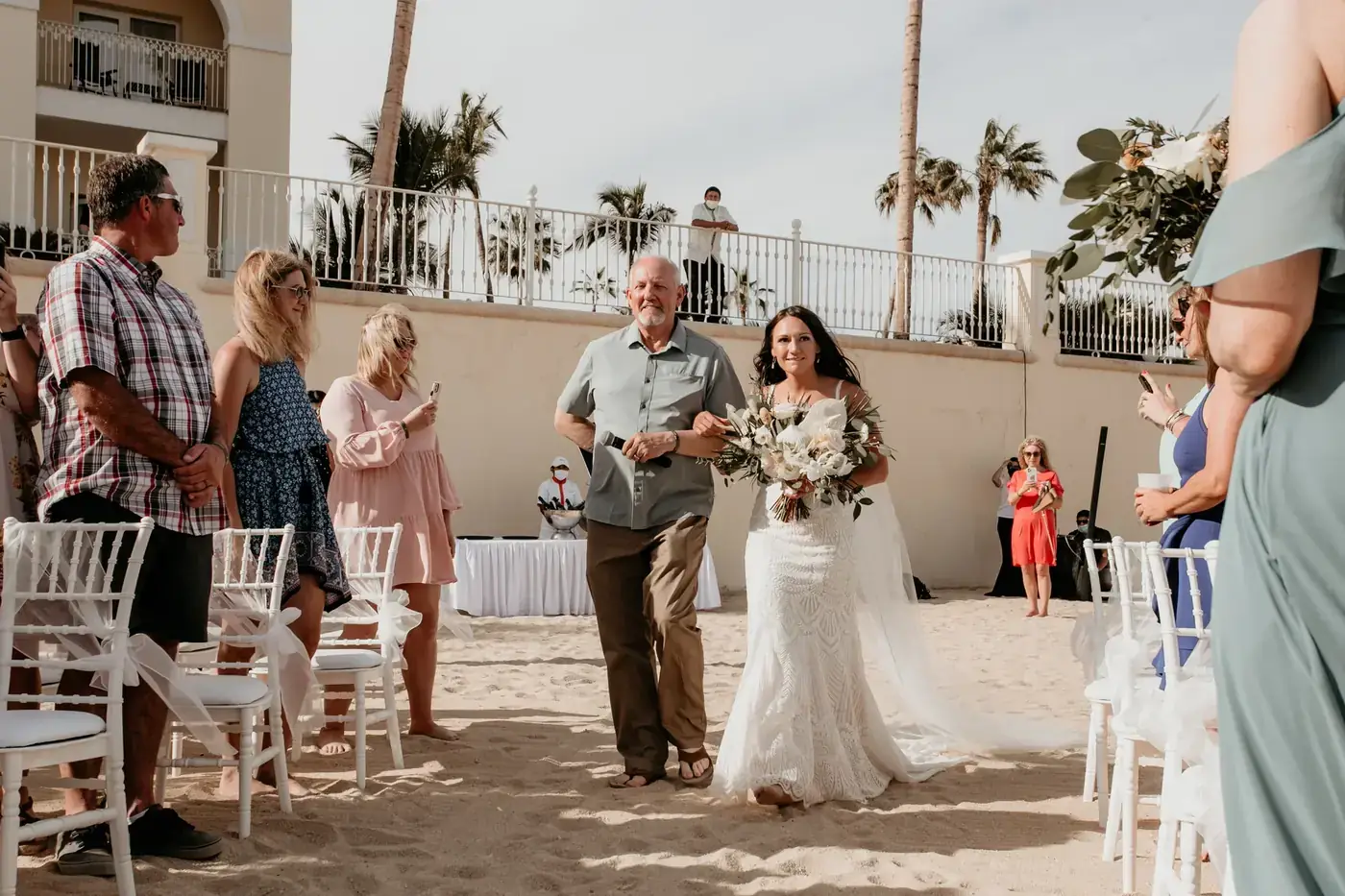
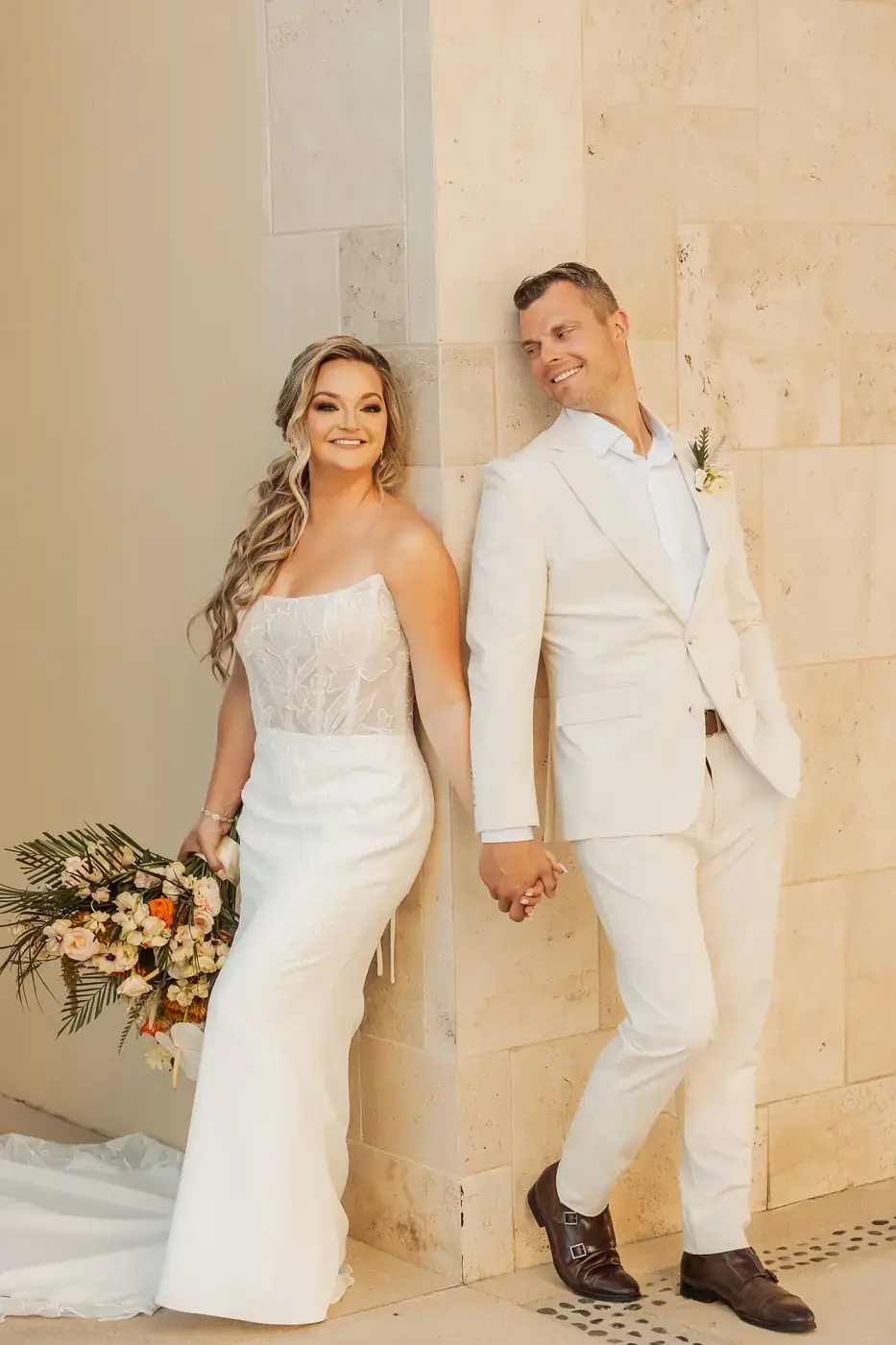
Cabo wedding weather is not one thing. This peninsula has two coasts that behave nothing alike, and the one you choose shapes your ceremony time, your portraits, your guests' comfort and even how your dress moves. The Pacific side runs wild and open: afternoon wind, strong shorebreak, and sunsets that stop conversation. The Sea of Cortez side runs calm and warm: softer water, gentler air, and light that leaves a little earlier than visitors expect. I have photographed weddings on both for more than fourteen years, and in this guide I break down exactly how each coast behaves, month by month and hour by hour.
The two coasts of Los Cabos
Cabo San Lucas sits at the very tip of Baja California Sur. West of town, the Pacific Ocean faces open water all the way from California: resacas of swell, steady breeze, and a horizon with nothing on it. East and north, sheltered by the peninsula, the Sea of Cortez stays calmer and warmer, which is why the swimmable beaches and the big resort bays sit on that side.
Everything in between is the Tourist Corridor, the twenty-mile stretch of highway connecting Cabo San Lucas and San José del Cabo. Venues on the Pacific side include cliff-top properties like Pueblo Bonito Sunset Beach and Waldorf Astoria Pedregal. On the Cortez side you have Médano Beach, Santa María, Chileno Bay, and properties like Cabo Azul in San José del Cabo. The venue you fall in love with already decides which weather you are planning around.
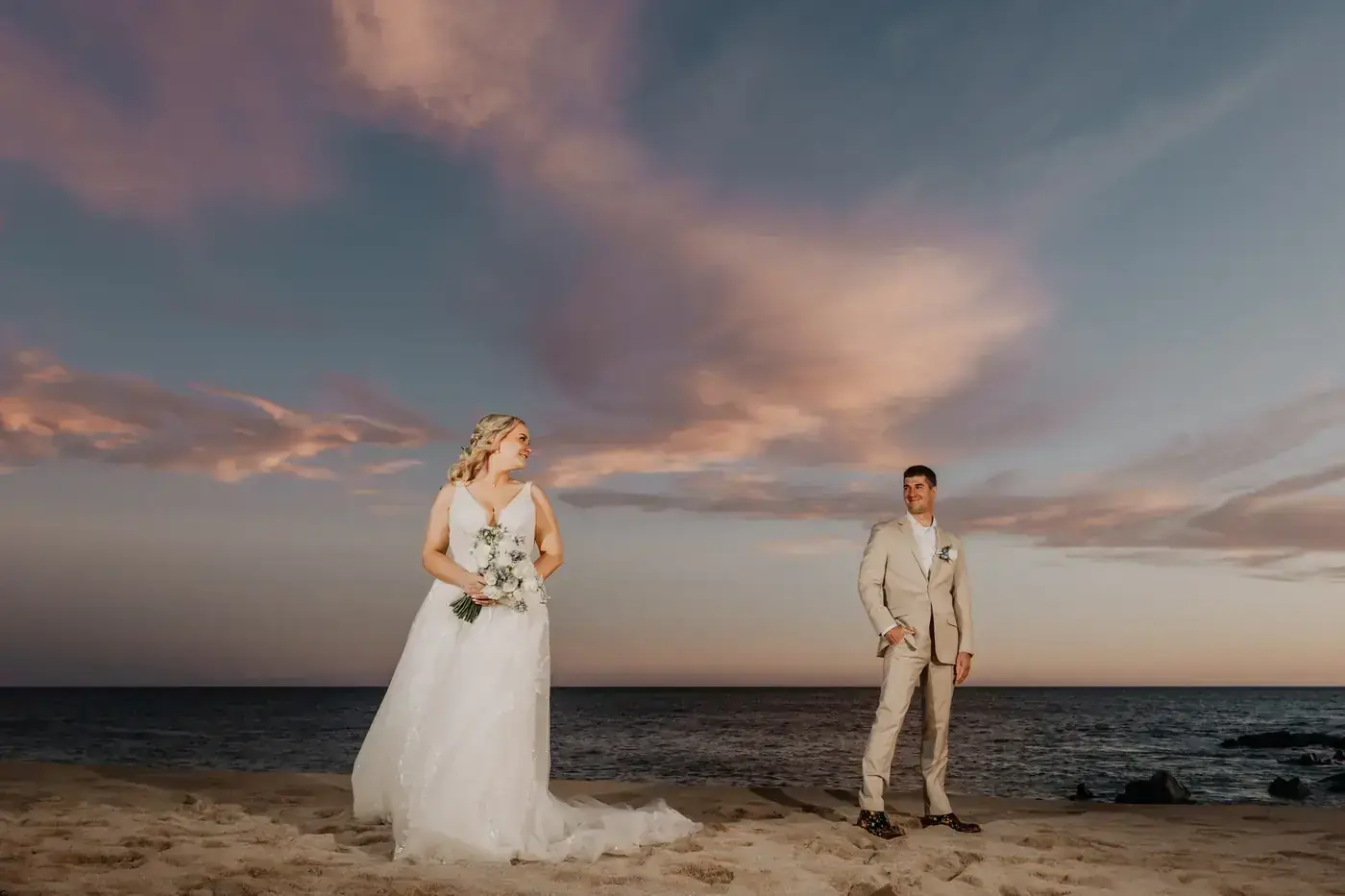
Wind: the Pacific's afternoon habit
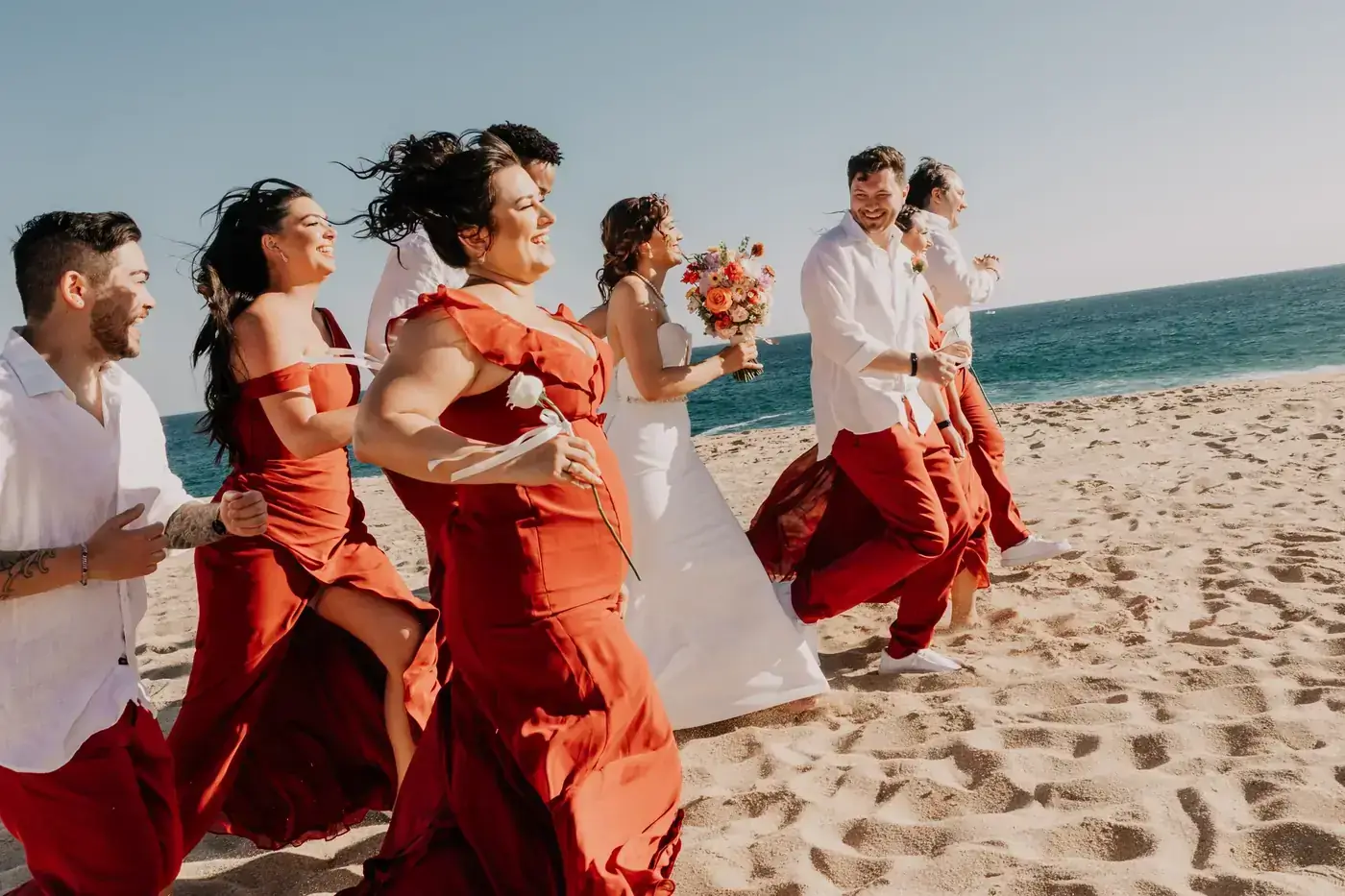
On the Pacific side, the breeze builds through the day and is strongest in the afternoon, right when most ceremonies start. It fills a veil, moves a dress, and gives photos a sense of motion that still air never will. It also makes vows harder to hear without a lapel mic and can turn a carefully placed updo into a different hairstyle by cocktail hour.
I plan for it instead of fighting it. On windy beaches I position couples so the breeze crosses the frame rather than blowing straight into faces, time the portrait window for when the wind softens near sunset, and always have a backup for hair. On the Cortez side, mornings and evenings are usually calm, and even midday air is gentler, which is one reason beach ceremonies feel easier there.
Tides, sand and where the ceremony actually stands
The tide decides where your arch can go and how much dry sand your guests get. On the Pacific, the swing is bigger and the shorebreak is real; the waterline moves noticeably during a long ceremony, and wet sand travels fast with a train. Ceremonies on that side usually work best on a lawn or terrace above the beach, with the sand saved for portraits at sunset.
In the protected bays the tide is gentler and the water stays swimmable, which is why most barefoot ceremonies happen there. Even so, I always walk the exact ceremony spot at the same hour, a week ahead, because a beach at noon is a different beach at six.
Calm water and earlier light: the Sea of Cortez side
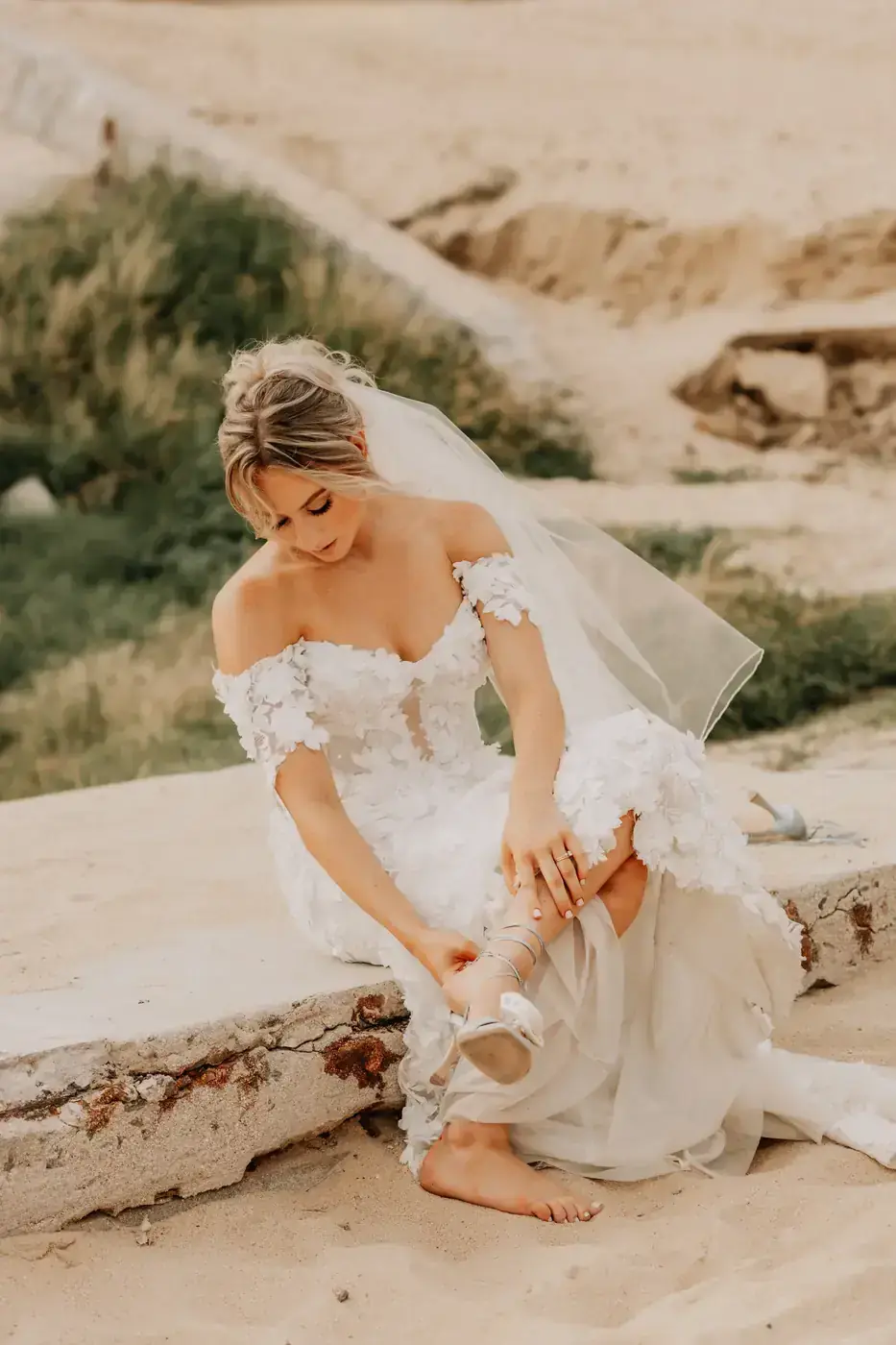
The Cortez side trades drama for ease. The water is warmer and calmer, the wind is lighter, and the mountains behind San José del Cabo mean the sun drops behind the hills sooner than on the open Pacific. That last detail surprises couples: a ceremony timed to end at sunset on the bay can lose its golden hour to the hills, so on that side I usually start the ceremony earlier, closer to ninety minutes before the sun goes down.
What you gain is comfort. Guests can stand on the sand without bracing against wind, kids can play at the waterline, and the whole day feels a degree or two gentler.
Heat, humidity and the fastest sunset you will ever watch
Cabo sees sun almost every day of the year, and midday light from 12 to 3 is the least flattering and hottest window of the day. Late summer adds humidity, and July through September is also hurricane season, which is why most weddings land between November and May.
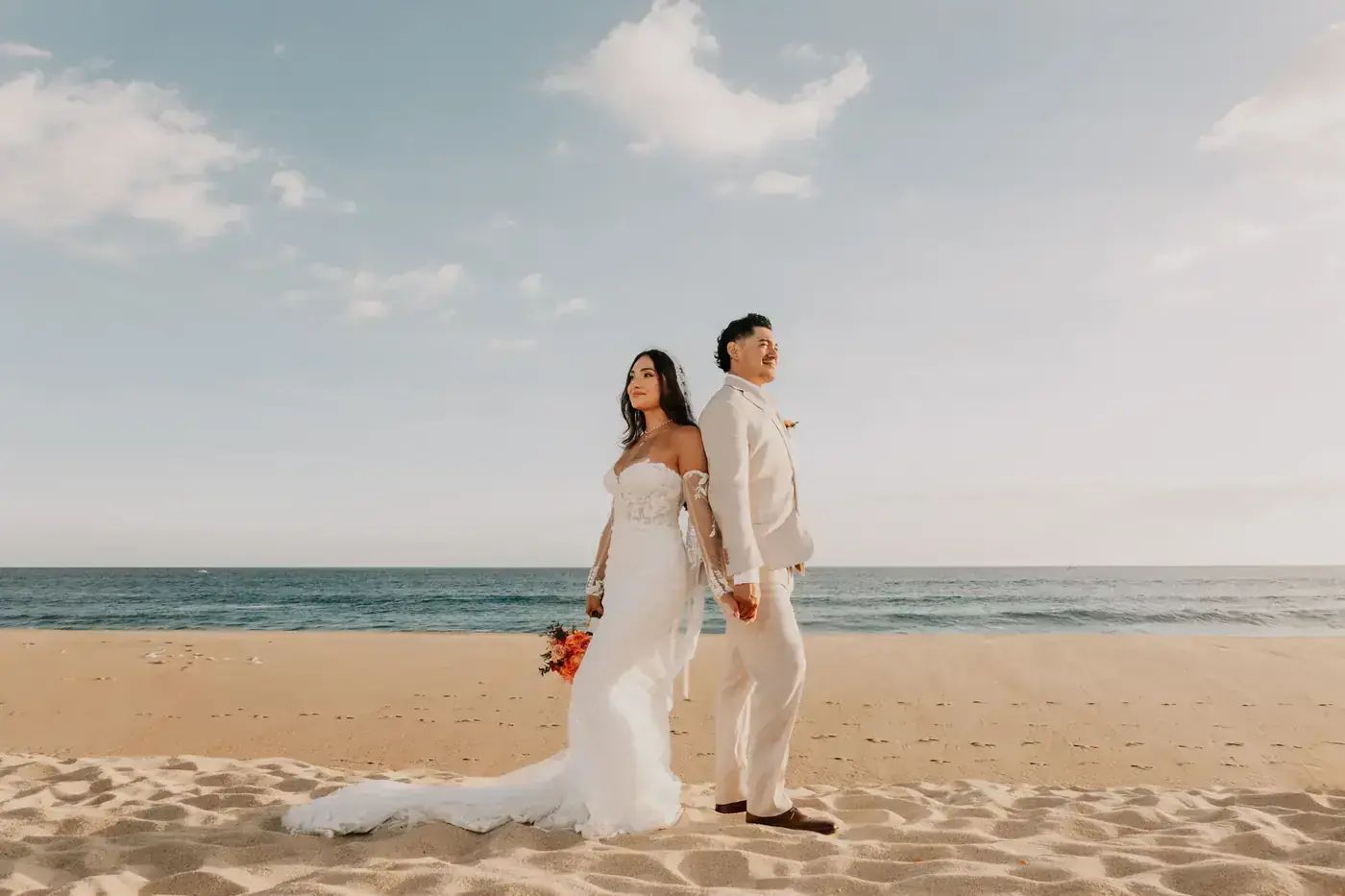
Whatever the season, the window you care about is short. Golden hour on this coast lasts about twenty to thirty minutes before the sun touches the water, and twilight goes quickly after. The ceremony exists to deliver you into that window, not to run through it.
How to build your timeline around the coast you chose
These are the rules of thumb I use when I plan a Cabo wedding day:
- Pacific side: start the ceremony 60 to 75 minutes before sunset. Wind is strongest early afternoon, softens toward evening, and the sunset is worth waiting for.
- Sea of Cortez side: start 75 to 90 minutes before sunset, because the hills steal the last light earlier and you want portraits in the warm window, not after it.
- Both coasts: keep portraits out of the 12 to 3 window, build in a ten-minute buffer before the ceremony, and decide before the day who is in charge of hair if the wind shows up.
- Any season: a beach is different at every hour. The single most useful thing your photographer can do is walk your exact spot at your exact ceremony time before the wedding.
Planning a wedding on one of these coasts?
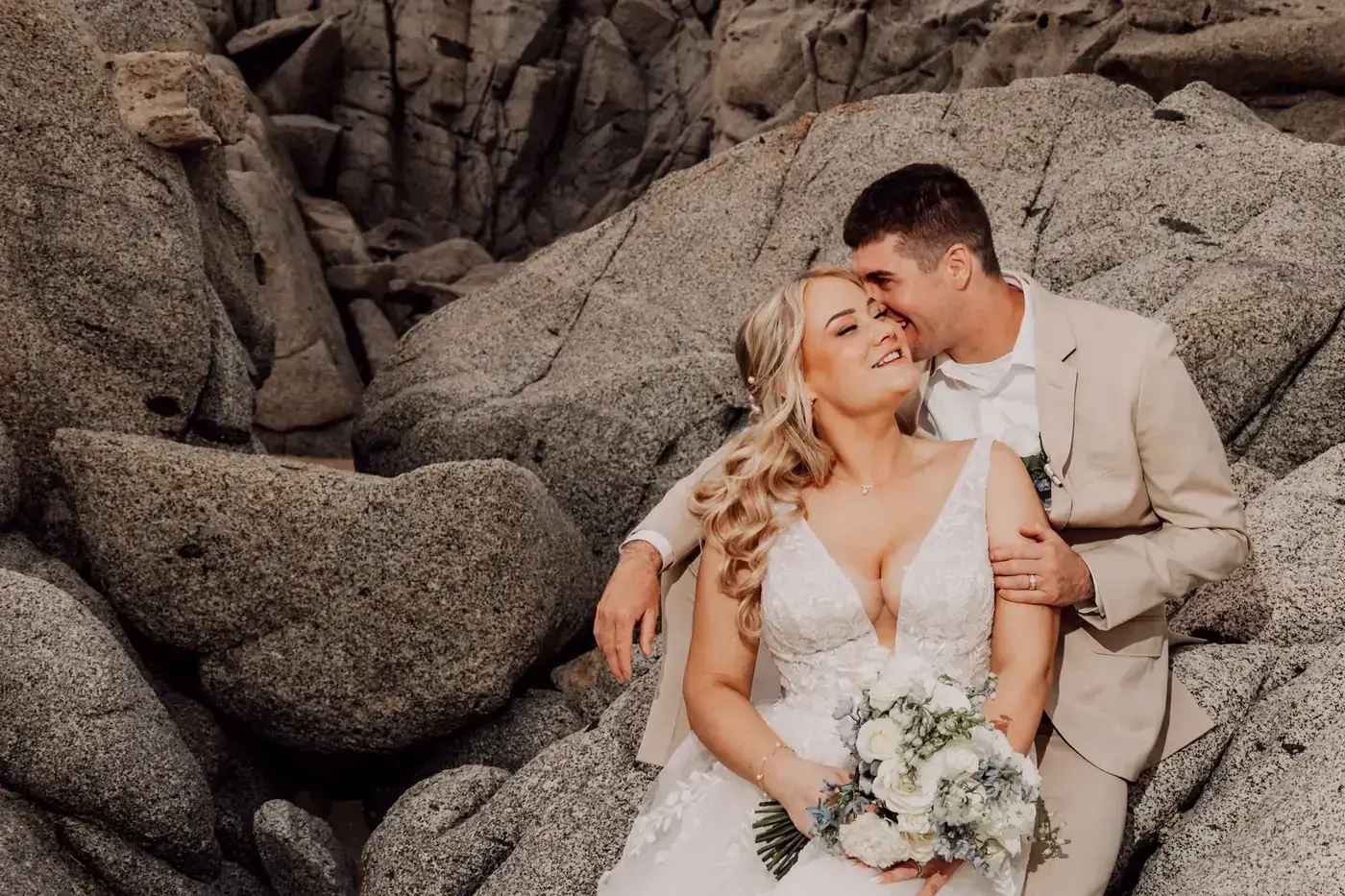
I photograph both sides of Los Cabos year-round, from cliff-top resorts to calm bay ceremonies, and I plan every timeline around the coast, the season and the way the light actually behaves at your venue. You can see how I cover a full day on my destination weddings in Cabo San Lucas page, read exactly how wind and tide affect a ceremony in my guide to beach weddings in Cabo, and time your portraits with my golden hour timeline for Los Cabos, and plan how the day starts with my guide to first looks and aisle reveals in Cabo. For trip planning around the region, the official Los Cabos tourism board is a good place to start.